


Dado tiles have become a popular choice for interior designers and homeowners alike. These versatile tiles come in various colours and designs, allowing them to inject character and charm into any room easily. They were originally used only as backsplashes, but dado tiles are now freely applied throughout homes, from accent walls to trendy bedroom floor designs.
In this article, we’ll explore what dado tiles are, their design possibilities, various uses, and some essential dos and don’ts.


Source: Pinterest (Paula Scholte)
Dado tiles: Key facts
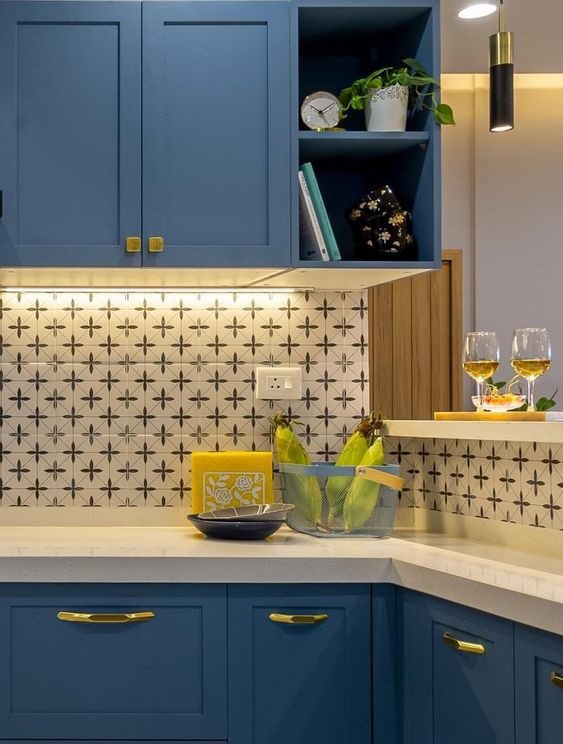
Dado tiles or backsplash kitchen tiles are used to fill the space between the countertop and cabinets in the kitchen. They were originally designed to protect walls from cooking spills. However, nowadays, they serve both practical and aesthetic purposes. These tiles come in various designs and colours, transforming the entire look of your kitchen.
Beyond the kitchen, dado tiles can also be used in other spaces like living rooms, bedrooms, and entryways, adding a touch of style and enhancing the ambience. Whether you prefer bold patterns or simple designs, options, including classic and budget-friendly choices, are available for everyone.
Dado tiles: Common materials used

Source: Pinterest
Some common materials used for dado tiles include:
Ceramic: Ceramic tiles are widely used for dado applications due to their affordability, durability, and easy maintenance. They come in various colours, patterns, and finishes, making them versatile for different design styles.
Porcelain: Porcelain tiles are known for their high durability and resistance to moisture, stains, and scratches. They are excellent for areas prone to high traffic or moisture, such as bathrooms or kitchens.
Glass: Glass tiles add a touch of elegance and reflectivity to dado tile designs. They come in various sizes, shapes, and colours and can be transparent, translucent, or opaque. Glass tiles are non-porous and water-resistant, making them ideal for areas prone to moisture.
Dado tiles: Different types
Several types of dado tiles cater to different design preferences and functional requirements. Some common types include:
Plain tiles
These are solid-coloured tiles without any patterns or textures. They provide a clean and simple look, often used to complement other design elements in a space.
Patterned tiles


Source: Pinterest (leroymerlin.it)
Patterned dado tiles feature intricate designs or motifs, adding visual interest and personality to a room. They can range from geometric patterns to floral designs, offering endless possibilities for customisation.
Subway tiles


Source: Pinterest (Crown Tiles)
Subway tiles are rectangular tiles inspired by the tiles used in subway stations. They are often laid in a brickwork pattern and can give a timeless and classic look to the Dado area. Subway tiles are available in various materials, including ceramic, porcelain, and glass.
Mosaic tiles
Mosaic dado tiles are made up of small pieces of material, such as glass, ceramic, or stone, arranged to create a pattern or image. They are often used as accent tiles to create focal points or decorative borders.


Source: Pinterest (mercurymosaics.com)
Textured tiles
Textured dado tiles add dimension and tactile appeal to walls. They can have raised patterns, embossed designs, or a rough surface, providing a unique visual and sensory experience.
Dado tiles: Applications
Interior walls: Dado tiles can enhance the aesthetic appeal of interior walls, adding a decorative touch to spaces such as living rooms, dining areas, and bedrooms.
Kitchen backsplashes: Dado tiles are ideal for creating stylish and functional kitchen backsplashes. They protect against moisture and stains while adding a visually appealing element to the kitchen decor.
Bathrooms: Dado tiles are commonly used to create a visually pleasing and hygienic environment. They can be installed as a border or cover the entire wall, adding a touch of elegance to the space.
Commercial spaces: Dado tiles find applications in commercial settings such as hotels, restaurants, and offices. They contribute to the overall design scheme while providing durability and easy maintenance.
Outdoor areas: Dado tiles with weather-resistant properties can be used in outdoor spaces such as patios, balconies, or garden walls, providing a durable and visually appealing surface.
Retail stores: Dado tiles are often used to create attractive displays, highlight specific areas, or add a unique touch to the overall store design.
Hospitality industry: Dado tiles find applications in the hospitality industry, including hotels, resorts, and guesthouses, where they create a welcoming and luxurious atmosphere.
Public spaces: Dado tiles can be installed in public spaces such as museums, art galleries, or community centres, adding an artistic element and enhancing the overall ambience.
Dado tiles: Choosing the right tiles for your space
- Consider the space’s size and the tiles’ proportion to ensure a balanced look.
- Choose a colour that complements the overall colour scheme of the room.
- Select a tile design that suits the style and aesthetic of the space.
- Consider the tiles’ maintenance requirements and choose a suitable material for the intended use.
- Pay attention to the texture of the tiles to ensure they provide the desired visual and tactile effect.
- Consider the durability and longevity of the tiles to ensure they can withstand the wear and tear of the area.
- Take samples home to see how the tiles look in the actual lighting conditions of the space.
Dado tiles: Maintenance and care
- Regularly sweep or vacuum the dado tiles to remove loose dirt and debris.
- Use mild detergent and water to mop the tiles, avoiding harsh chemicals.
- Quickly clean up spills to prevent staining and potential damage.
- Avoid using abrasive scrubbers that could scratch the surface.
- Apply a sealer to protect the tiles from stains and moisture.
- Use furniture pads to prevent scratches and indentations from heavy items.
- Avoid dragging heavy objects across the tiles.
- Follow the manufacturer’s guidelines for specific care instructions.
FAQs
What is the purpose of dado tiles?
Dado tiles serve multiple purposes. They provide a water-resistant surface, protecting walls from water splashes and moisture in bathrooms and kitchen backsplashes. Additionally, they add an aesthetic touch to the walls, enhancing the overall decor of the space.
Can dado tiles be used for flooring?
Dado tiles are primarily designed for wall applications and are not recommended for flooring. They are thinner and less durable than floor tiles, specifically manufactured to withstand foot traffic and heavier loads.
Can dado tiles be used outdoors?
Most dado tiles are not designed for outdoor use, as they may not withstand exposure to extreme weather conditions. However, certain tiles like porcelain or specific outdoor tiles may be suitable for outdoor applications. Always check the manufacturer's specifications for outdoor suitability.
Can I use dado tiles to create patterns and designs on the walls?
Absolutely! Dado tiles offer various design possibilities. They can be arranged in different patterns, such as herringbone, chevron, or subway style, to create unique and eye-catching designs on the walls.
| Got any questions or point of view on our article? We would love to hear from you. Write to our Editor-in-Chief Jhumur Ghosh at jhumur.ghosh1@housing.com |