


Plastic is everywhere – from our shopping bags to our water bottles and food packaging. While convenient, its environmental impact is undeniable. However, there is one good news. There’s a growing wave of eco-friendly alternatives that can make a big difference to the planet if we take just tiny steps. So in this article are 8 swaps you can easily incorporate into your daily life.
See also: 5 eco-friendly home decor trends in 2024
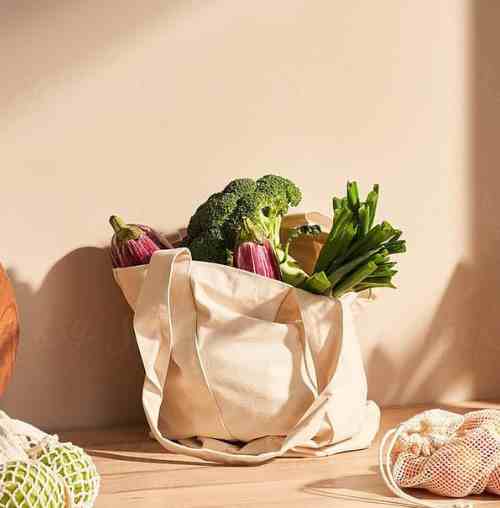
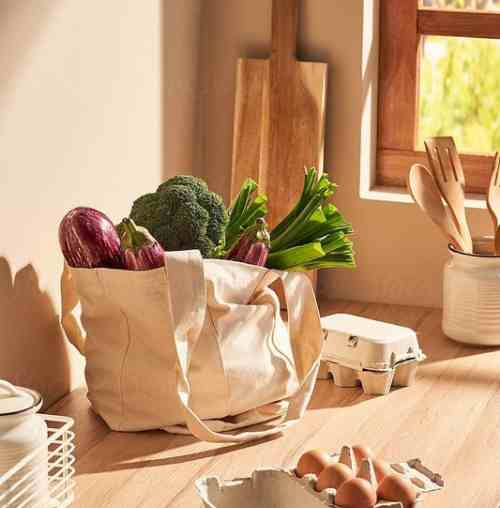
Take up reusable totes
Plastic shopping bags are a major source of pollution. They often end up in landfills or pollute our oceans, harming wildlife. There’s a simple solution for this and that is to Invest in reusable tote bags. Canvas or cloth bags are sturdy, come in a variety of styles and can be used for years. Keep a few folded up in your car or purse so you’re never caught without one.

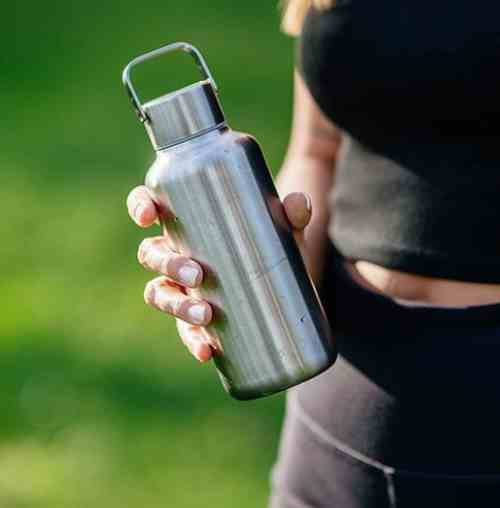
Replace disposable plastic bottles with stainless steel
Single-use plastic water bottles are a massive environmental burden. They take centuries to decompose and contribute to microplastic pollution. A reusable stainless steel water bottle is a fantastic alternative. They’re durable, keep your drinks hot or cold for extended periods and come in a variety of sizes to suit your needs. Plus, you’ll save money by not constantly buying bottled water.
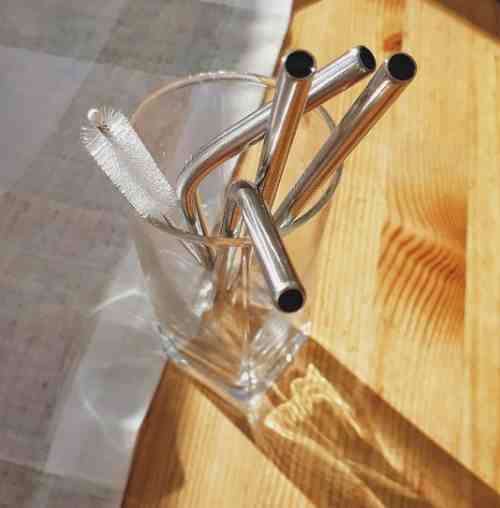
Say no to plastic straws (or choose wisely)
Plastic straws are another unnecessary plastic item. Many restaurants and brands are eliminating them altogether, but you might still encounter them. Carry a reusable straw made from stainless steel, glass or silicone. These are easy to clean and last a long time. If you must use a disposable straw, opt for paper or compostable options.
Use reusables for food storage
Plastic food containers and wrap contribute significantly to plastic waste. Invest in a set of reusable glass or stainless steel containers for storing leftovers, packing lunches or taking meals on the go. For fresh produce, beeswax wraps are a fantastic alternative to plastic cling wrap. These wraps are made from natural materials like beeswax, jojoba oil and cotton and can be reused for months.
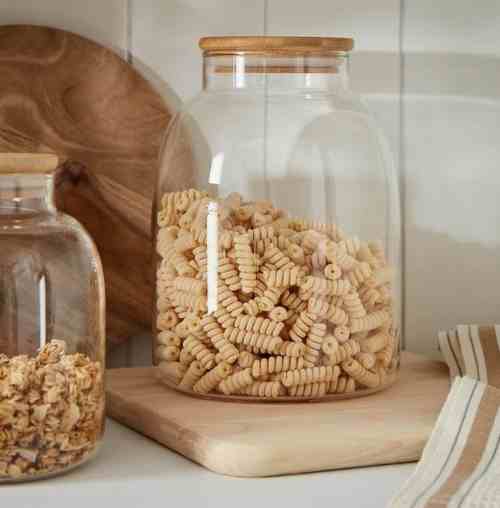
Go package-free when shopping (and possible)
When grocery shopping, be mindful of packaging. Look for items with minimal packaging or opt for package-free options in bulk bins. Bring your own reusable produce bags for fruits and vegetables. This not only reduces plastic waste but can also save you money in the long run.
Swap out plastic utensils
Plastic cutlery is another single-use item that can be easily replaced. Switch them for options like silicone, steel and bamboo utensils which are a sustainable and eco-friendly option. Bamboo especially is a fast-growing, renewable resource and bamboo utensils are biodegradable and compostable. Keep a set in your car, purse or lunch bag for when you’re on the go and avoid using disposable plastic cutlery.

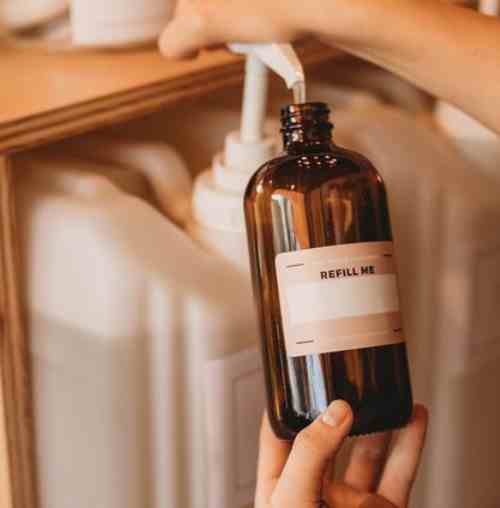
Consider refills and solid options
Many personal care products come in plastic bottles. Look for brands that offer refillable options or consider solid alternatives. Shampoo bars, for example, are a great way to reduce plastic waste in your bathroom routine. These bars often last longer than bottled shampoo and are frequently made with natural ingredients.
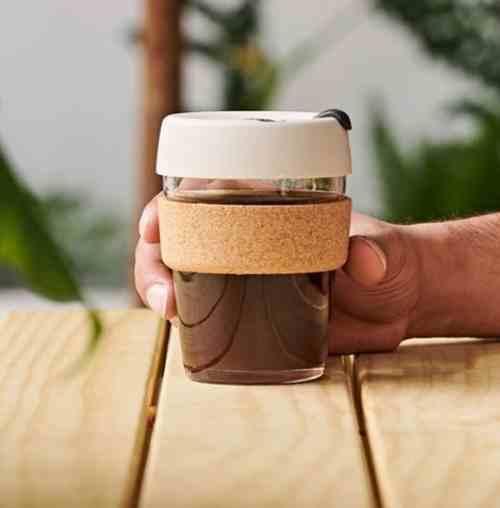
Ditch the disposable cup
Disposable coffee cups are lined with plastic, making them difficult to recycle. Invest in a reusable travel mug. Many coffee shops even offer discounts for using your own mug. This not only reduces waste but can also help you keep your coffee hotter for longer.
Making these simple swaps can significantly reduce your plastic footprint. Remember, every little bit counts! By choosing reusable alternatives, you’re not just helping the environment, you’re also saving money in the long run. So, ditch the plastic and embrace a more sustainable lifestyle!
FAQs
Are reusable bags really more eco-friendly?
Absolutely! While some resources are used to make reusable bags, they can be used hundreds or even thousands of times, significantly reducing the environmental impact compared to single-use plastic bags.
What if I forget my reusable bags at the store?
It happens! If you're caught without your tote, opt for paper bags over plastic. Paper bags are still preferable to plastic as they decompose much faster.
Can't I just recycle my plastic water bottles?
Recycling is great, but it's not always perfect. Many plastic water bottles don't get recycled and the recycling process itself uses energy. A reusable bottle eliminates waste altogether.
Are there any downsides to reusable straws?
Minimal downsides! You'll need to wash them after each use, but some are dishwasher safe. The environmental benefit far outweighs the minor inconvenience.
What about frozen food – can I use reusable containers?
Absolutely! Glass or stainless steel containers work well for storing frozen food. Just be sure to leave room for expansion as liquids freeze.
Won't bamboo utensils break easily?
Bamboo utensils are surprisingly sturdy, especially if you choose thicker options. However, like any reusable product, treat them with care to maximise their lifespan.
Where can I find refill options for personal care products?
Look for stores specialising in sustainable products or refillable options online. Some shampoo bars and deodorant sticks are also readily available at mainstream stores.
| Got any questions or point of view on our article? We would love to hear from you. Write to our Editor-in-Chief Jhumur Ghosh at jhumur.ghosh1@housing.com |