


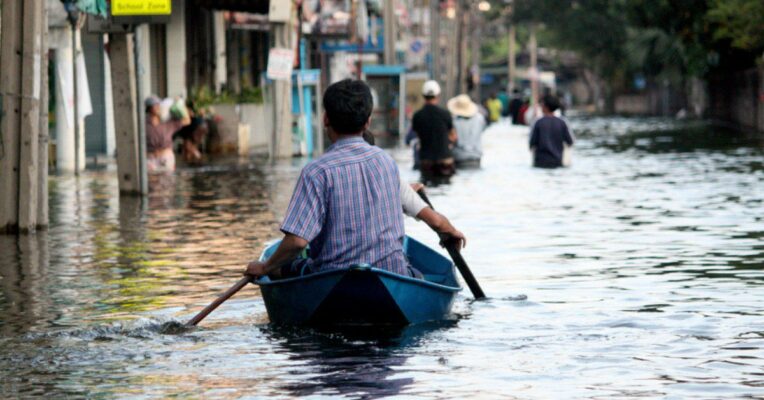


Dealing with the aftermath of a flood can be scary, but a systematic approach can help you restore your space. This article outlines the steps to clean up after a flood, focusing on effective flood water removal and ensuring safety and efficiency throughout the process.
Initial inspection and safety
- Start by assessing the extent of damage caused by the flood.
- Ensure your safety by wearing protective gear such as gloves and boots.
- Turn off electricity and gas to avoid potential hazards.
See also: How to prevent water seepage in walls?
Effective floodwater removal
- Use a pump or wet-dry vacuum to facilitate the flood water removal process.
- Ensuring thorough floodwater removal is crucial to prevent further damage and mould growth. Proper floodwater removal sets the foundation for successful cleanup and restoration.
- Swift flood water removal minimises the risk of structural damage and the spread of contaminants. Prioritise flood water removal to create a safe environment for subsequent cleanup steps.
Remove contents to discard
- Sort through damaged items, separating those to discard from those that can be salvaged.
- Move salvageable items to a dry area for cleaning and disinfection.
Clean the floors
- Scrub and disinfect floors using a mixture of water and bleach.
- Allow floors to dry thoroughly before moving on to the next step.
Clean the walls
- Wash walls with a cleaning solution to remove dirt and mould.
- Disinfect walls using a mixture of water and bleach to prevent mould growth.
Clean the basement
- Clean and disinfect basement areas using the same procedures as above.
- Remove water-damaged materials from the basement and ensure proper ventilation.
Additional precautions during flood cleanup
- Wear protective clothing, gloves, and a mask to prevent exposure to contaminants.
- Avoid mixing cleaning agents, as certain combinations can produce harmful fumes.
- Keep children and pets away from the affected area during cleanup.
FAQs
Can I clean up after a flood by myself?
Yes, with proper precautions and steps you can clean up after a flood.
How soon should I start the cleanup process after a flood?
Begin as soon as it's safe to do so to prevent further damage and mould growth.
Do I need to wear protective gear during cleanup?
Yes, wear gloves, boots and a mask to protect against contaminants.
How can I prevent mould growth during cleanup?
Thoroughly dry and disinfect affected areas to discourage mould growth.
Can I salvage water-damaged items?
Some items can be salvaged if properly cleaned and disinfected.
Should I use bleach for cleaning after a flood?
Yes, a diluted bleach solution helps disinfect and prevent mould.
How can I ensure the safety of my family during cleanup?
Keep family members away from the affected area during cleanup to prevent exposure.
| Got any questions or point of view on our article? We would love to hear from you. Write to our Editor-in-Chief Jhumur Ghosh at jhumur.ghosh1@housing.com |