


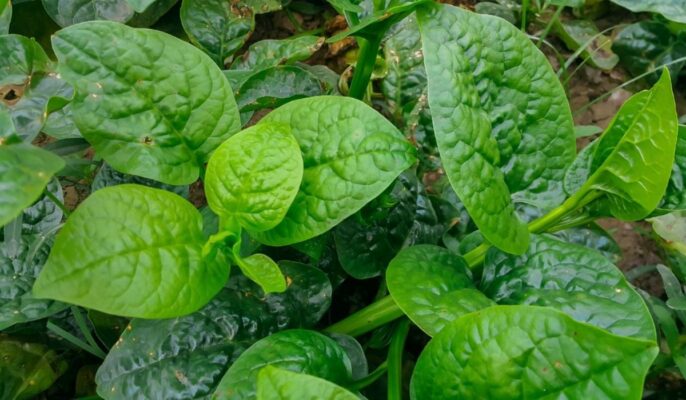


Malabar spinach is a tropical leafy green that bears the name of a southwest Indian coastal region. Although it looks like spinach, it is not a true spinach botanically. The glossy, dark green leaves and branches have an oval or heart shape and can be eaten fresh in salads or fried. Malabar spinach has a mild, spinach-like flavour with hints of citrus and pepper. In addition to being tasty, this plant—especially the red-leaf variety—looks good when added to a garden bed.
See also: Asparagus Setaceus: Tips to grow, care
Malabar spinach: Key facts
| Common names | Malabar spinach, Indian spinach, Ceylon spinach, vine spinach, climbing spinach |
| Botanical Name | Basella alba |
| Family | Basellaceae |
| Plant type | Vegetable |
| Plant size | 6 to 10 foot long, 2 to 3 ft wide |
| Soil type | Loamy, sandy, moist but well-drained |
| Soil pH | Neutral to acidic (6.5 to 6.8) |
| Toxic | No |
Malabar spinach: Interesting facts
- Malabar spinach can be grown as a decorative foliage vine in addition to being edible.
- The fresh, young leaves are suitable for consumption either in their raw state as part of a mixed green salad or cooked through steaming or boiling, resembling the preparation of cooked spinach.
- The blossoms are followed by four-parted, decorative drupes that range from deep purple to black in colour. Fresh berries can be stained and their tasteless reddish-purple juice utilised as a food coloring or dye.
- The fruits can be dried whole for planting the following year.
- The greens are utilised as a spinach substitute and will not wilt as rapidly under heat, making them recommended for boiling and sauteed recipes.
- The origins of the dish can be found in the Indus Valley Civilization during 3300 to 1300 BCE. During this period, lentils were a common element in cooking and remained a staple diet in medieval India.
- These days, green Malabar spinach is produced worldwide as a culinary and medicinal crop, usually harvested from wild plants or sown in private gardens.
- For longer use, the greens can also be dried and powdered into a powder or parboiled and frozen for nine to fourteen months.
How to grow Malabar spinach from seed?
- Malabar spinach seeds typically start to germinate in 10 to 20 days.
- The seeds will expand more rapidly in the summer.
- After the seeds have germinated, separate the weak seedlings, then transplant the stronger ones only after determining which leaves are the real leaves in the intended location.
- Soak the seeds in water overnight before planting them if you want them to sprout more quickly.
How to grow Malabar spinach from cuttings?
- Cut the plant in a 5-to 6-inch length just below the node.
- Plant the cutting where you want it to grow once it is ready. Ensure that the soil is well-drained.
- In roughly two weeks, the roots will become visible and the plant will start to grow.
Malabar spinach: Care and maintenance
- Unlike pea plants, climbing spinach does not generate tiny side tendrils. The green vines can grow up to ten feet in height and develop swiftly. A strong support is essential.
- Depending on your climate, weekly watering of Malabar plants is probably required if there is not any rain. It is crucial to have consistent moisture, particularly if you live in a dry climate or are experiencing a drought.
- Malabar spinach thrives in sandy or loamy soil that drains easily and has a high organic matter content. High organic matter soils are essential. Every year, spread a 2-to 3-inch layer of compost over your garden.
- Moderate levels of potassium and phosphorus should be present in the fertiliser to promote resilient overall growth and healthy root development.
- Malabar spinach may take little shade, but it grows best in direct sunlight.
- To keep vines at the proper height, prune them. When flower stalks emerge, cut them off to direct the plant’s energy toward developing leaves.
- Leaf infections result in darkening patches with reddish or purple edges. To prevent the disease from spreading, remove any sick leaves and throw them in the trash. Do not compost them. Continue to weed your garden.
Malabar spinach: Uses and benefits
- Malabar spinach is a well-known nutritious vegetable and a natural coolant. It nourishes, makes the body stout, purifies blood, rejuvenates and acts as an aphrodisiac.
- Including it in a regular diet helps prevent anaemia, colon cancer, cardiovascular disease and weakening of the bones.
- It is widely produced as a pot plant in India, where it is traditionally used to cure bleeding disorders, tumours, piles, cracked feet, wounds, inflammation, urticarial infections, anaemia, malnutrition, sleeplessness and other conditions.
- The antioxidants such as beta-carotene, lutein, zeaxanthin helps to prevent the ageing process by protecting against cell damage by free radicals.
- It is a rich source of vitamin A.
Malabar Spinach: Toxicity
You can eat every part of the malabar spinach plant. Therefore, it is safe to say that the plant is not toxic. There are some concerns that malabar spinach contains the same plant compounds, or oxalates (oxalic acid), found in real spinach. Oxalic acid has the potential to bind to calcium and sometimes minerals like iron. Some worry that consuming high amounts of oxalates will lead to the formation of kidney stones.
It is essential to note that some individuals may have allergies or sensitivities to certain foods, including leafy greens. If you have a known allergy or sensitivity, it is advisable to consult with a healthcare professional before including new foods into your diet.
Additionally, while Malabar Spinach is not known for high toxicity, it is crucial to source it from reputable sources and ensure proper washing before consumption to reduce the risk of contamination.
FAQS
What does malabar spinach taste like?
Malabar Spinach has a mild and slightly peppery flavour. It is less bitter than common spinach, making it a versatile ingredient in various dishes.
What are the health benefits of malabar spinach?
Malabar Spinach contains vitamins A and C, iron, and calcium. It also contains antioxidants and is known for its potential anti-inflammatory properties, contributing to overall health and well-being.
Can I eat malabar spinach raw?
Yes, Malabar Spinach can be eaten both raw and cooked. It adds a refreshing crunch to salads when consumed raw. Cooking it lightly also enhances its flavour while preserving its nutritional value.
Are there different varieties of Malabar spinach?
Yes, there are two main varieties: Basella alba (white-stemmed) and Basella rubra (red-stemmed). Both varieties are edible, with similar taste profiles, and can be used interchangeably in recipes.
What recipes can I make with malabar spinach?
Malabar Spinach is a versatile ingredient. You can use it in salads, soups and even smoothies. It has a mild taste, which makes it an excellent addition to various culinary creations.
Does Malabar spinach have any culinary limitations?
Malabar Spinach can become slightly slimy when overcooked. To avoid this, it's recommended to cook it briefly or use it in dishes where a softer texture is desirable, such as soups and stews.
Can I freeze malabar spinach?
While Malabar Spinach is best enjoyed fresh, you can freeze it for later use. Blanch the spinach leaves before freezing to help retain their colour and nutritional value. Store in airtight containers or freezer bags.
Is malabar spinach suitable for everyone?
Malabar Spinach is generally well-tolerated and suitable for most people. However, individuals with oxalate-related kidney stones may want to moderate their intake as it contains oxalates, which can contribute to stone formation.
| Got any questions or point of view on our article? We would love to hear from you. Write to our Editor-in-Chief Jhumur Ghosh at jhumur.ghosh1@housing.com |