


Real estate is not just about buying, selling, or owning property—it’s a living, breathing ecosystem influenced by economic shifts, investor behavior, and human psychology. Recognizing the cyclical nature of real estate markets—periods of growth, slowdown, recovery, and expansion—empowers investors, homebuyers, and professionals to navigate waves with foresight. Let’s embark on an engaging journey exploring each stage of the cycle through an Indian lens, though its lessons resonate globally.
Why real estate cycles matter
Real estate markets don’t follow a straight line. Rather than a constant climb, they stretch and contract with macroeconomic forces—from interest rates and government policies to demographic trends and investor sentiment. Whether you’re a first-time buyer in Bangalore, a Mumbai-based developer, or an NRi looking to invest in Pune, understanding where the market stands helps you:
- Identify optimal entry points: Buying or investing during favorable phases can yield significant gains.
- Mitigate risks: Being wary during overheated periods may save you from downturn losses.
- Plan strategically: Developers align their product offerings with market demand and pricing cycles.


Uncovering the four stages of the real estate cycle
Real estate cycles typically unfold in four broad phases—recovery, expansion, hyper‑supply (or peak), and recession. Let’s unpack each stage and explore how they interlink.
Recovery: The Quiet Buildup
During recovery, markets emerge from downturns into slowly improving fundamentals:
Characteristics
- Economic signs rebound: GDP, employment, manufacturing, and consumer confidence begin to rise.
- Demand creeps upward: Buyers and investors return, spurred by affordability.
- Sales and construction deepen: Developers cautiously restart projects. After nearly a decade of sluggish growth, major Indian metros entered recovery around 2017–2018. Cities like Hyderabad and Pune witnessed gradual upticks in sales as micro-markets stabilized. Delhi-NCR’s recovery was slower due to previous over-supply, but tier‑II cities demonstrated quicker rebound.
Opportunities and Strategies
- Invest wisely: First-time investors can locate undervalued neighborhoods before prices surge.
- Finance smartly: Lower interest rates give borrowers an advantage; consider locking in deals.
- Partner strategically: Developers can initiate phased construction to assess demand.
Expansion: The Growth Wave
Dynamics
During expansion:
- Prices rise: Driven by renewed demand, they climb steadily.
- Construction escalates: More developers enter, bidding for land and launching projects.
- Occupancy rate improves: Completed inventory gets absorbed, relieving supply pressures.
In cities like Bangalore and Chennai between 2018–2023, growth accelerated. IT and start-up ecosystems attracted young professionals, fuelling residential demand. Commercial leasing also scaled, with co‑working spaces proliferating.
Key indicators to watch
- Absorption rate: How quickly completed units are sold or occupied signals healthy demand.
- Land prices: A sharp rise in land costs hints at overheating.
- Interest rate trends: Low rates boost both investor confidence and buying power.
Hyper‑supply or peak: the tipping point
Symptoms
In this phase:
- Price bubbles form: Rapid price inflations outpace wages and rental growth.
- Inventory balloons: Too many launches saturate the market.
- Investor fatigue: Smart capital seeks better returns elsewhere; homebuyers stall.
Certain micro-markets in Mumbai, NCR, and Goa experienced peak dynamics by early 2023. Saw—vast towers entered the market, leaving many units unsold. Rising input costs coupled with slower sales created pressure.
Risks
- Price corrections: Can lead to significant value depreciation.
- Financial distress: Developers may delay handovers or face liquidity crunch.
- Buyers lose leverage: However, they can negotiate for discounts as developers chase closings.
Strategic response
-
- Exercise caution: Scrutinize demand–supply numbers; avoid speculative zones.
- Negotiate smart: Look for price cuts, flexible payment plans, or possession-linked deals.
- Focus on fundamentals: Demand from genuine end-users sustains neighborhoods even post downturn.
Recession: contraction and cleansing
Signs
This is the stage where:
- Prices stagnate or fall: Buyers wait; sellers slash or hold offers.
- Inventory stays high: Excess supply weighs down the market.
- Confidence falters: New launches are deferred; credit slows.
Between 2023 and mid-2024, metros like Kolkata and Lucknow entered a mild contraction. Buyers remained skeptical; new launches dropped. Developers turned promoters into sellers or liquidated assets.
Green shoots
Although discouraging, this phase resets market equilibrium. Developers exit unviable ventures; lease-holdings resolve; buying sentiment revives over time.
Actions
- Focus on distressed opportunities: Some ready-for-possession units become available at reduced prices.
- Vet developers thoroughly: Reliability and financial backing matter.
- Aspire for long-term: Those with capital can position themselves for the next recovery.
How long do cycles really last?
Cycle durations depend on macroeconomic forces and policy influences. Globally, real estate cycles tend to span 7–10 years, but in India these can vary more due to regulatory shocks like RERA, GST, demonetisation, and credit tightening.
- Recovery: 1–2 years
- Expansion: 2–5 years
- Peak/hyper-supply: 6–12 months
- Recession: 6 months–2 years
Authors often talk about asymmetric durations—expansions last longer than recessions. Staying alert to turning points is crucial.
Economic and policy drivers of cycles
Understanding triggers makes cycles more predictable. Some key variables:
Interest rates and RBI policy changes
When RBI cuts repo rates, borrowing costs drop—home loans become affordable, spurring demand. Conversely, rate hikes dampen enthusiasm. Indian realty felt this vividly during the 2020–2021 pandemic when rates fell, and again in 2024 as inflation nudged rates upward.
Credit flow and NBFC health
Real estate thrives on project financing. After the IL&FS and PMC Bank stresses in 2018‑19,banks and NBFC slowed down. Post‑pandemic, liquidity returned gradually. However, when lenders tighten norms (e.g., higher provisioning, risk weightage), housing sales suffer.
Government regulations and taxation
Initiatives such as RERA (2016), GST (2017), tax deductions under Section 24 and 80C, PM Awas Yojana—all influence sentiment and affordability. Conversely, demonetisation (2016) dampened black money-driven deals, slowing sales in the short term.
Macroeconomic sentiment and geopolitics
Job creation, FDI inflows, consumer sentiment, global oil prices—all these ripple through real estate. Uncertainties (fed hikes, trade wars, pandemics) sap investor confidence. Strong growth eras enhance home purchases and project launches.

How to Diagnose Your Market’s Position
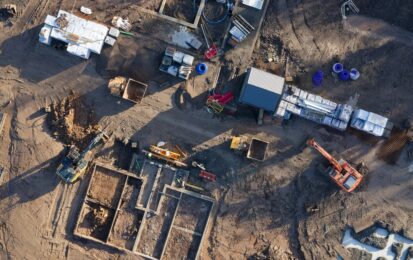
Here’s how you can assess where your city or micro-market stands:
| Signal | Recovery | Expansion | Peak | Recession |
|---|---|---|---|---|
| Price trend | Flat | Steady rise | Rapid gain | Plateau/decline |
| Absorption rate | Low but climbing | High | Moderate to low | Sluggish |
| New project launches | Few | Many | Surge | Dwindling |
| Lending ease | Conservative | Aggressive | Lenient | Restrictive |
| Investor vs end-user focus | End-user | Mixed | Investor-heavy | End-user cautious |
To collect data:
- Review monthly housing sales and launches via reports from Knight Frank, JLL, Anarock.
- Monitor listings on Housing.com for trends and price movements.
- Speak to local brokers and property managers—they sense shifts early.
- Observe interest rates and loan-to-value ratios from SBI, HDFC Bank updates.
Choosing the right strategy for each phase
No one-size-fits-all approach works across the cycle. Tailor your tactics to the phase:
Strategies during recovery
- For buyers: Secure end-user homes; negotiate pre-launch prices or freebies.
- For investors: Consider rentals in upcoming micro-markets—a long-term
play. - For developers: Launch gated communities or mid-size projects to test demand.
Strategies during expansion
- For buyers: Buy early, but don’t chase hottest localities—look for value in emerging areas.
- For investors: Look at rental yield arbitrage where rentals rise faster than prices.
- For developers: Start integrated projects with amenities, tapping into mid-income and lifestyle seekers.
Strategies at peak
- For buyers: Pause heavy investments; renegotiate terms.
- For investors: Favor completed projects with rental stability—not pre-launch speculation.
- For developers: Focus on marketing existing inventory; avoid land acquisition.
Strategies during recession
- For buyers: Search for ready-to-move-in bargains, resale homes, foreclosure opportunities.
- For investors: Consider affordable rentals; distressed sales may boost yield.
- For developers: Refinance existing debt; enhance buyer confidence through transparent delivery timelines.
Pitfalls and misconceptions to avoid
Understanding cycles avoids common mistakes:
- “Plots always appreciate” myth: Without fundamental demand, raw land may remain stagnant for years.
- Timing fallacy: No one perfectly times markets. Instead, focus on partial investing—phased buying or staggered development.
- Over-leverage danger: Loans amplify gains—and losses. High debt during a downturn is a recipe for trouble.
- Ignoring global/regional shocks: A pandemic, geopolitical conflict, or global recession can trigger down cycles prematurely.
- Confusing national with local trends: While Mumbai may thrive, smaller cities face local headwinds—demand is always micro-market specific.
Case studies: contrasting market journeys
NCR vs Hyderabad: starkly different timelines
- NCR: After excessive launches between 2013–2016, recovery lagged until 2018. Prices rose modestly post‑2021, but pockets with oversupply still struggle.
- Hyderabad: Benefited from IT and pharma, triggering expansion between 2017–2022. Even when pan-India markets cooled, Hyderabad held strong—while still avoiding overheat.

Pune: resilience through demography and infrastructure
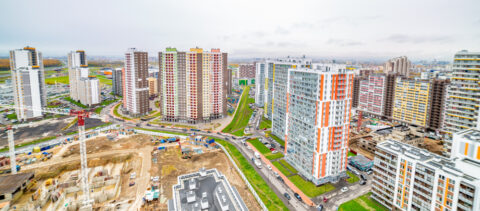
Pune’s continuous expansion since 2015 has tied with improving metro infrastructure, education hubs, and young professional influx. While prices slowed in 2024 due to higher interest rates, demand from working professionals and students kept the market afloat.

The psychological aspect: sentiment drives momentum
At its heart, real estate is influenced by human behavior. Two psychological extremes are helpful to understand:
- Euphoria: During peaks, “everybody’s buying”—fear of missing out drives irrational price chasing.
- Panic: During recession, buyers freeze—despite bargains, negative sentiment stalls transactions.
Savvy participants maintain a rational stance, not succumbing to emotional extremes.
Tech disruptions shaping future cycles
Technology is no longer an external influence on real estate — it is actively reshaping how market cycles form, peak, and stabilize. Digital adoption across the sector is helping reduce information asymmetry, improve liquidity, and align market corrections with real-time demand indicators.
- Proptech and digital marketplaces: Platforms like Housing.com have moved beyond listings to become data-driven ecosystems. They aggregate verified transaction data, price trends, and buyer preferences, allowing both developers and policymakers to spot early signs of overheating or stagnation in specific micro-markets. This transparency helps shorten correction phases and promotes more stable price discovery.
- Virtual and augmented reality (VR/AR): Immersive home tours now allow prospective buyers to explore under-construction or remote projects without visiting in person. For developers, this widens the buyer base geographically; for buyers, it reduces location bias and speeds up decision-making. During down cycles, such tools help maintain transaction flow by enhancing buyer confidence and convenience.
- Predictive analytics and AI-driven insights: Developers and investors are increasingly using machine learning models to interpret granular market data — such as absorption rates, rental yield patterns, and infrastructure-led growth. Predictive tools identify emerging demand pockets before they peak, enabling more efficient inventory management and preventing overbuilding that typically precedes market downturns.
- Blockchain, tokenization, and smart contracts: Blockchain’s potential extends far beyond transparency — it can revolutionize title management, land ownership, and cross-border investments. Tokenized real estate assets can allow smaller investors to buy fractional ownership, increasing liquidity in traditionally illiquid markets. Smart contracts automate transactions, reducing delays and disputes — which could flatten volatility during cyclical slowdowns.
- IoT and smart infrastructure integration: Internet of Things (IoT) technologies are linking buildings, utilities, and urban systems. Cities deploying IoT-enabled infrastructure can better monitor usage patterns, sustainability metrics, and maintenance needs — factors that now directly affect property valuations and market sentiment. Over time, this data-centric approach could make real estate cycles more responsive and less speculative.
- Government and regulatory tech adoption: Digital initiatives such as DigiLocker integration for property documents, GIS-based land mapping, and online registration portals are enhancing trust and reducing delays. When policy and technology work in tandem, market corrections become smoother because investors have better visibility and fewer compliance risks.
In essence, technology is transitioning Indian real estate from a reactive market to a data-driven, anticipatory ecosystem. By reducing opacity, enabling evidence-based pricing, and expanding participation, these disruptions can transform future real estate cycles into shorter, more predictable, and more sustainable phases of growth.
Environmental and social sustainability during cycles
Resilience isn’t just about economics—it must include sustainability:
- Green construction: During expansion, adopting energy-efficient standards builds long-term value.
- Infrastructure alignment: Buyers should look for projects near upcoming metro lines or highway connectivity.
- Community-driven planning: During recovery or recession, small neighborhood enhancements (parks, walkable lanes) sustain livability.
- Water and waste management: With climate uncertainty rising, cyclical risk includes resource scarcity. Builders integrating rainwater harvesting or solar links increase future appeal.
Integrating these features not only future-proofs assets but appeals to a conscious demographic.
The long view: cycles as opportunity
Real estate cycles can feel unpredictable, but they offer great openings:
- Success breeds more success: Buying early in recovery and holding through expansion multiplies capital.
- Preparedness beats panic: Having financial reserves during downturns lets you act when others freeze.
- Diversify across cycles: Owning assets in different phases or across geographies stabilizes portfolio performance.
- Stay informed: Track data monthly—sales stats, price indices, new launches, macro signals. Knowledge is power.
Riding cycles with foresight
Real estate is a story of society—our aspirations, economies, demographics, and shifting values. Cycles are inevitable—but with informed perspective, they can become predictable and navigable. Remember:
- Cycles repeat, though never exactly the same.
- Data, insight, and temperament empower decisions more than adrenaline or hype.
- Thinking long-term, rather than trading short-term swings, brings compounding rewards.
To every aspiring homeowner, investor, or developer: be the surfer who reads the wave—not the one dragged by it.
Understanding cycle stage? Here’s a self‑check:
Ask yourself:
- Are prices rising fast or steady?
- Is construction booming or slowing?
- Do lenders offer easy credit?
- Is demand coming from real users or speculators?
- Do weekly listings feel scarce or abundant?
Your answers can position you on the wave—whether to paddle out, ride, or prepare for the next swell.
Housing.com POV
Real estate cycles reflect broader rhythms of society. In India’s dynamic landscape—urbanization, digitization, demographic shifts, finance reforms—each cycle carries unique lessons. But the core rule remains timeless: buy low, sell or hold smart, and always align with fundamentals. Done wisely, real estate becomes not just a wealth generator, but a legacy you ride skillfully across its age-old ebb and flow.
FAQs
How can I tell if my city is in the expansion phase of the real estate cycle?
If prices are rising steadily, projects are getting sold quickly, and developers are actively launching new inventory, your city is likely in expansion.
Why do some Indian cities recover faster than others after a downturn?
Cities with strong job markets, better infrastructure, and lower unsold inventory tend to recover faster due to steady end-user demand.
Is it risky to buy during a hyper-supply phase?
Yes, because prices may be inflated and demand could slow down, leading to delays in possession and value correction.
What happens to property values during a recession in real estate?
Values may stagnate or decline, especially in areas with high unsold inventory or limited buyer interest.
Do interest rates directly influence the real estate cycle?
Yes, lower interest rates boost affordability and buying activity, while higher rates often slow down sales and investment.
Can local trends differ from national real estate cycles?
Absolutely. One city may be expanding while another is in recession, depending on regional demand, employment, and supply conditions.
How can investors use down cycles to their advantage?
By identifying distress sales, ready-to-move units, and negotiating better deals when competition is low and liquidity is tight.
| Got any questions or point of view on our article? We would love to hear from you. Write to our Editor-in-Chief Jhumur Ghosh at jhumur.ghosh1@housing.com |