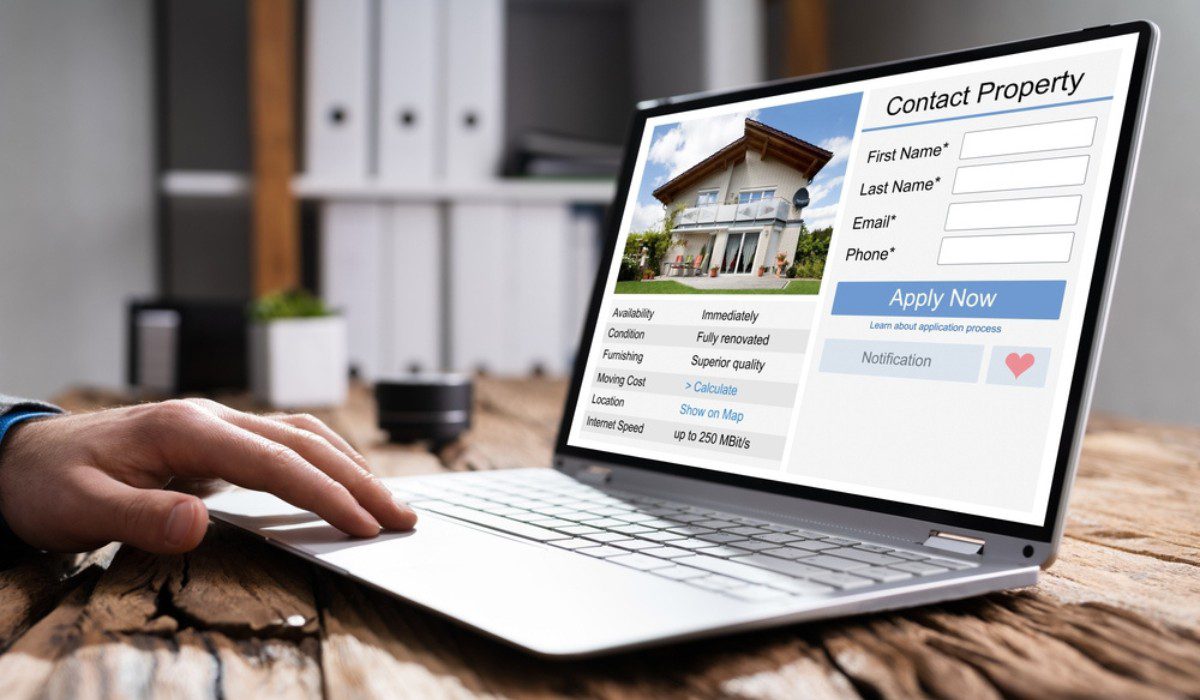
In India’s dynamic property market, not every listing attracts immediate buyer interest. When a property remains unsold for months despite being listed on multiple platforms, it is often labelled as a “stale listing.” Such listings can lose visibility, buyer confidence, and even perceived value over time. Understanding why a property fails to generate traction and implementing the right corrective measures can significantly improve its chances of sale. With a strategic approach that combines pricing, presentation, and targeted marketing, sellers can successfully revive interest in their property and close deals faster.
What is a stale property listing?
A stale property listing refers to a property that has been on the market for an extended period, typically three to six months or more, without attracting serious inquiries or offers.
Some common signs include:
- Declining or negligible buyer inquiries
- Fewer site visits or repeated cancellations
- No negotiations or offers despite visibility
- Listing pushed down in search rankings on property portals
In India, where buyers actively compare multiple options online, a stale listing often signals underlying issues that discourage potential buyers.
Common reasons why property listings go stale
Several underlying factors can reduce buyer interest and cause a property listing to lose momentum over time.
- Overpricing: One of the most common reasons is unrealistic pricing. Many sellers price properties based on emotional value or outdated market trends rather than current demand and comparable sales.
- Poor visual presentation: Listings with low-quality images, insufficient photos, or no videos fail to capture attention in a highly visual digital marketplace.
- Weak property description: Generic or incomplete descriptions that fail to highlight key features, amenities, and location advantages can make a listing appear unappealing.
- Limited marketing exposure: Relying on a single platform or not investing in promotions can restrict visibility and reach.
- Location perception issues: Properties in less popular or developing areas may face slower traction unless their advantages are clearly communicated.
- Legal or documentation concerns: Missing documents, unclear ownership, or lack of approvals, such as occupancy certificates, can deter serious buyers.
Assessing your listing before making changes
Before taking corrective action, it is important to evaluate the current listing objectively.
- Conduct a Comparative Market Analysis (CMA): Compare similar properties in the same locality in terms of price, size, and amenities.
- Study competing listings: Identify what competing properties are offering that yours is not.
- Analyse buyer feedback: Pay attention to comments from prospective buyers during site visits or calls.
This assessment helps pinpoint specific issues and ensures that any changes made are data-driven.
Effective ways to revive a stale real estate listing
Reviving a stagnant property listing requires a strategic mix of pricing adjustments, improved presentation, and targeted marketing efforts.
1. Re-evaluate and correct the pricing dtrategy
Pricing plays a crucial role in determining buyer interest, especially in India’s price-sensitive market.
- Align the price with recent transaction values in the area
- Consider circle rates and prevailing market trends
- Make strategic price adjustments rather than drastic reductions
Even a small correction can reposition the property competitively and attract renewed interest.
2. Improve property presentation
First impressions matter, particularly in online listings.
- Invest in professional photography and videography
- Ensure the property is clean, well-lit, and clutter-free
- Highlight unique features such as balconies, modular kitchens, or Vastu-compliant layouts
Well-presented properties not only attract more clicks but also lead to higher-quality inquiries.
3. Rewrite the property description
An engaging and informative description can significantly influence buyer perception.
- Use clear and concise language
- Include essential details such as configuration, carpet area, and amenities
- Mention nearby schools, hospitals, metro connectivity, and commercial hubs
- Incorporate relevant keywords for better search visibility
A compelling description helps buyers visualise the property and its lifestyle benefits.
4. Upgrade marketing strategy
Expanding marketing efforts can improve reach and engagement.
- List the property on multiple real estate portals
- Use social media platforms like Facebook and Instagram
- Share listings through WhatsApp groups and local networks
- Opt for featured listings or paid promotions
Diversifying marketing channels ensures the property reaches a wider and more relevant audience.
5. Refresh the listing
Sometimes, a simple refresh can revive visibility.
- Update photos and descriptions
- Modify pricing or add new highlights
- Relist the property to bring it back to the top of the search results
Timing the refresh during peak buying seasons, such as festive periods, can further boost results.
6. Work with the right real estate agent
An experienced real estate agent can make a significant difference.
- Choose agents with strong local market knowledge
- Evaluate their past performance and network
- Consider switching agents if results are unsatisfactory
The right agent can provide better exposure, negotiate effectively, and guide pricing strategies.
7. Offer incentives to buyers
Incentives can help differentiate your property from others.
- Offer flexible payment plans
- Cover part of the registration or stamp duty costs
- Include furnishings, appliances, or minor upgrades
Such benefits can make the deal more attractive and encourage quicker decision-making.
8. Address legal and documentation issues
Transparency is critical in building buyer trust.
- Ensure all documents are complete and verified
- Obtain necessary approvals, such as RERA registration and occupancy certificate
- Be prepared to share documents promptly with interested buyers
Clear documentation reduces hesitation and speeds up the transaction process.
9. Target the right buyer segment
Understanding your ideal buyer can improve conversion rates.
- Identify whether the property suits end-users, investors, or NRIs
- Tailor marketing messages accordingly
- Highlight relevant benefits such as rental yield or long-term appreciation
Targeted marketing ensures that the property reaches buyers who are more likely to convert.
10. Consider minor renovations or repairs
Small upgrades can significantly enhance property appeal.
- Repaint walls with neutral colours
- Fix plumbing, electrical, or structural issues
- Upgrade lighting and fittings
These improvements can increase perceived value and justify the asking price.
When should you temporarily withdraw a listing?
In some cases, temporarily removing the listing from the market may be beneficial.
- When major renovations or repairs are required
- If market conditions are unfavourable
- When pricing needs a complete reset
Reintroducing the property later with improved positioning can create a fresh perception among buyers.
Tips to prevent your listing from going stale
Taking proactive steps can reduce the chances of a listing becoming stale.
- Price the property correctly from the start
- Invest in high-quality visuals and marketing
- Monitor performance and update listings regularly
- Respond promptly to buyer inquiries
A well-planned listing strategy ensures sustained interest and quicker closure.
Housing.com POV
The Indian real estate market has evolved into a data-driven and digitally influenced ecosystem, where buyers have access to extensive information and multiple property options at their fingertips. In this environment, a stale listing is no longer just a marketing issue. It reflects a mismatch between seller expectations and market realities.
Successful property transactions increasingly depend on a seller’s ability to adapt. Pricing must reflect real demand rather than perceived value, and presentation must meet the expectations set by premium listings across digital platforms. Transparency in documentation and responsiveness in communication are no longer optional but essential.
Moreover, the rise of online property portals and social media has shifted the power balance towards buyers, who now compare, evaluate, and shortlist properties before even scheduling a visit. This means that the first impression created through images, descriptions, and pricing often determines whether a property gets shortlisted at all.
Reviving a stale listing, therefore, requires more than superficial changes. It demands a strategic reset that aligns the property with current market dynamics, buyer psychology, and digital visibility standards. Sellers who recognise this shift and act accordingly are far more likely to convert interest into successful transactions, even in competitive or slow-moving markets.
FAQs
Does the age of the building affect how quickly a property sells?
Yes, older properties may face slower demand due to maintenance concerns, outdated layouts, or a lack of modern amenities. However, proper upkeep, renovation, and competitive pricing can help offset these disadvantages and attract buyers.
How important is floor level in selling an apartment?
Floor level can influence buyer preference significantly. In many Indian cities, mid- and higher-floor units are often preferred for better views, ventilation, and reduced noise, while ground floors may appeal to specific buyer segments.
Can exclusive listings with one agent improve sale chances?
Exclusive listings can ensure focused marketing efforts and accountability from a single agent. This often results in better coordination, consistent messaging, and a more structured approach compared to multiple agents handling the same property.
Do furnished properties sell faster than unfurnished ones?
Furnished properties may attract certain buyers, such as investors or those seeking ready-to-move-in options. However, unfurnished homes appeal to buyers who prefer customisation, making the impact dependent on the target audience.
How does seasonality impact property sales in India?
Property demand in India often peaks during festive seasons and favourable weather periods. Listings introduced or refreshed during these times may receive higher visibility and engagement compared to off-season periods.