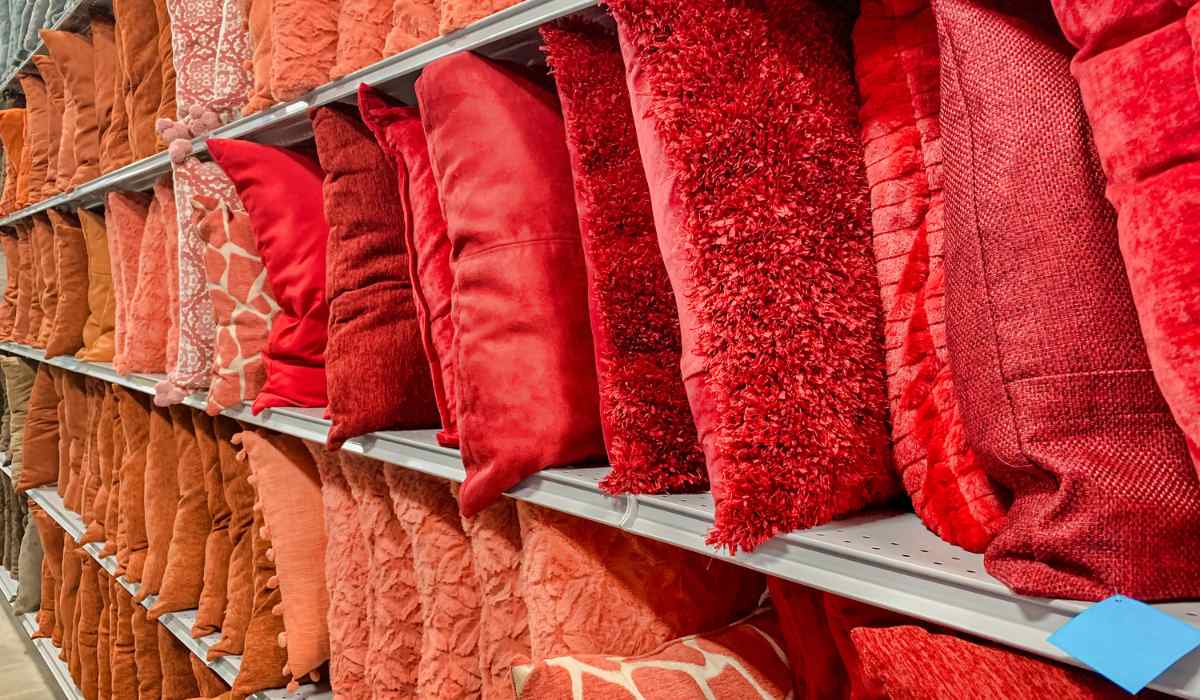
Point of purchase (POP) displays are an integral part of any retail store’s marketing strategy. Well-designed POPs attract customer attention, provide useful information about products and encourage impulse purchases. For small businesses with limited budgets, investing in elaborate POP displays may not be feasible. Fortunately, there are many low-cost, simple ways to create effective POPs. In this article, we will look at why POP designs are needed, their advantages and disadvantages, 10 low-cost POP design ideas, lighting suggestions, pricing analysis .
POP displays serve several important functions. First, they bring visibility to specific products in a crowded retail environment. Eye-catching POPs make certain items stand out on the shelves. Second, POPs communicate useful information about products that customers might otherwise overlook. They can highlight a new item, sale prices, uses, or features. Third, well-designed POPs trigger impulse sales. A colourful, creative display encourages customers to pick up items they may not have planned to purchase. For these reasons, investing in POPs is a smart and low-cost way for small businesses to boost sales.
See also: Small Coffee Shop Design & Ideas
10 Low-Cost POP Design Ideas
There are many creative ways to design simple, inexpensive POP displays:
Signage and banners
Hang eye-catching banners or signs with short punchy phrases above product displays. Go for visual contrast and colour to grab attention.
Photos and posters
Mount enlarged, high-quality product photos or graphic posters related to the product line on walls, shelves, or displays. Choose visually striking images.
Product stacks
Neatly arrange and stack products on a table or shelf, keeping items orderly and uniform. Include a small sign noting important details.
Baskets and bins
Place products attractively in coloured baskets, buckets or bins elevated on tables or shelves. Use contrasting colours to emphasise products.
Product samples
Display open product samples on shelves or tables to allow customers to touch, test, sample or interact with items. Keep samples neatly arranged.
Flags and mobiles
Suspend small brightly coloured flags or mobiles with short text or product images over a display to attract attention from afar. Group them to create visual impact.
Chalkboard signs
Use an eye-catching chalkboard to highlight sales, pricing details, or other useful product information. Change messages frequently.
Decorative accents
Incorporate inexpensive small props, accents, or elements around the display area that relate to the product line. Keep accents relevant and neatly arranged.
Lighting
Spotlight products or displays with battery-powered string lights, paper lanterns or other inexpensive lighting. Use lighting to highlight specific items.
Space dividers
Use simple and colourful freestanding partitions, screens, or walls to section off product areas. Use dividers to define display spaces.
Advantages and Disadvantages
Low-cost, simple POP displays offer many benefits for small retailers:
Inexpensive to produce – Simple POPs can be designed and created very affordably.
Easy to set up – Basic POPs require little time and effort to implement in a store.
Change frequently – Simple displays can be modified regularly to highlight new products.
Allow experimentation – Low-cost POPs let retailers test different designs without major investment.
Increase impulse sales – Well-designed simple POPs boost impulse buying.
However, simple POP displays also have some potential drawbacks:
May get overlooked – They may not attract attention as well as larger, elaborate displays.
Can become tired – If not updated regularly, basic POPs may start to be ignored.
Require creativity – Simplicity demands smart, imaginative design to be effective.
Lighting solutions
Lighting can dramatically improve the effectiveness of any POP display. Here are affordable lighting options for small retailers:
- Battery-operated string lights or fairy lights
- Paper lanterns or globe lights
- Clamp lights with directional shades
- Strip LED lights or puck lights affixed under shelves
- Christmas lights or festoon lighting overhead
- Reflector bulbs or directional track lighting
Proper lighting highlights products, creates a festive mood and attracts customer attention from a distance. Even simple lighting makes a big visual impact.
With a well planned budget, small retailers can implement many creative, visually impactful POP displays. The key is uniquely utilising inexpensive materials. Thinking creatively avoids the need for expensive, elaborate POPs.
Well-designed POP displays are a vital sales tool, but expensive displays may bust small business budgets. Fortunately, many inexpensive, simple POP ideas can be very effective if executed creatively. Small retailers can use signage, baskets, product samples, lighting and other low-cost elements to highlight products and trigger impulse sales. Investing in simple, changeable POPs allows small stores to drive sales, draw attention to new items and constantly attract customers. With a bit of creativity, low-cost POPs deliver a big visual punch.
FAQs
How much space should a POP display take up?
POPs should be sized appropriately for the product. Large displays are not always better. Aim for a size that fits neatly into the overall store aesthetic.
How often should POP displays be changed?
Simple POPs should be changed frequently, at least monthly, to highlight new products. Static displays will be ignored. Frequent changes keep content fresh.
Should POPs match my store's overall look?
While POPs are meant to stand out, they should coordinate with your store's visual branding for a cohesive look.
Where should POP displays be positioned?
Place POPs near related products, high-traffic areas like ends of aisles, checkout counters, or storefronts.
Should POP displays include pricing information?
Pricing information helps customers easily consider purchases. Make prices highly visible.
Can I measure the impact of POP displays?
Track sales of featured products before and after implementing a POP. Measure conversion rates.
What makes an effective POP display?
Creativity, visual contrast, simplicity and relevance to products. Aim to catch customer eyes and convey a specific message.
| Got any questions or point of view on our article? We would love to hear from you. Write to our Editor-in-Chief Jhumur Ghosh at jhumur.ghosh1@housing.com |