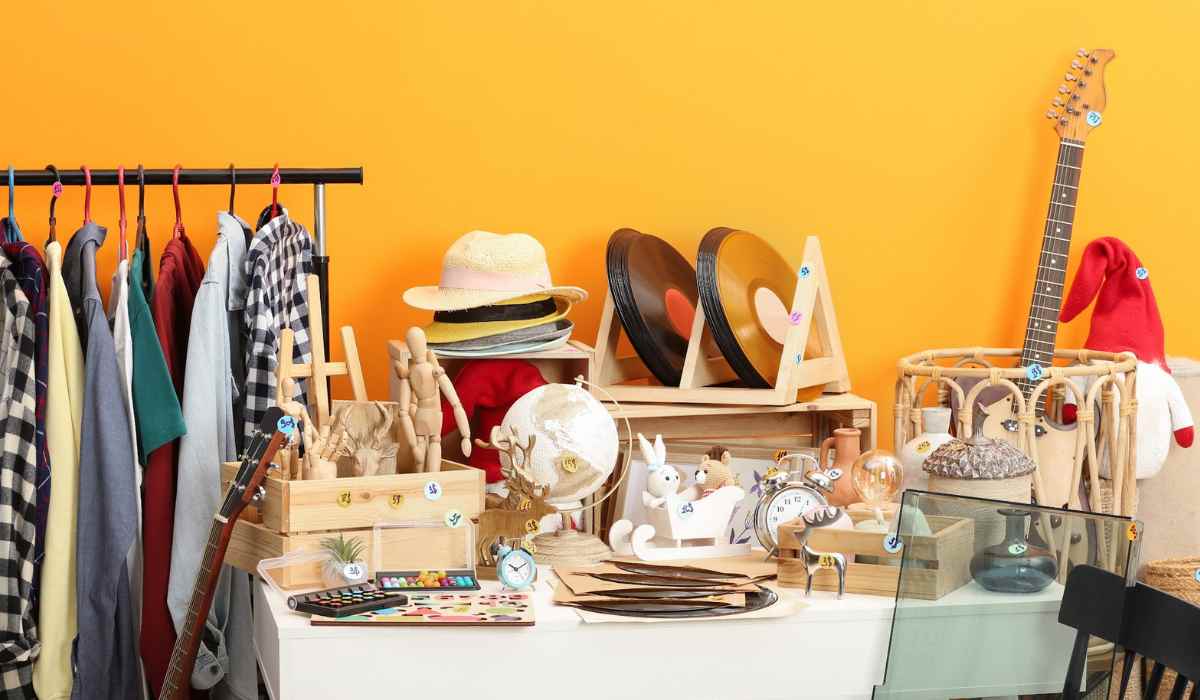
We try to fill our homes with comfort and the things that bring us joy. But lurking amongst the cosy corners and cherished keepsakes can be hidden money drainers. These items might seem convenient or even essential at first, but a closer look reveals they are costing you more than they are worth. In this article, you will learn about five surprising items that might be silently draining your finances
See also: 6 tips to save costs when shifting
The unitasker appliance collection
Modern kitchens boast an array of specialised appliances – the bread maker, the egg cooker, the countertop rotisserie. While these promise culinary convenience, their high price tags and limited use often outweigh their benefits. Consider a good quality toaster oven that can handle most of these tasks. It’s a one-stop shop for toast, bagels, small pizzas and even roasting vegetables. You’ll save space, money and simplify your meal prep routine.

The bottled water
Single-use plastic water bottles are a double whammy – bad for the environment and your wallet. Filtered tap water is a safe and cost-effective alternative. Invest in a reusable water bottle and refill it throughout the day. Not only will you be saving money, but you’ll also be reducing plastic waste.

The gym membership
The desire for a healthy lifestyle is commendable, but unused gym memberships are a common drain on finances. Be realistic about your schedule. Can you truly commit to regular gym visits? Explore free or low-cost alternatives. Yoga in the park, brisk walks with loved ones, or even following free online workout routines can keep you fit without burning a hole in your pocket.

The ‘Energy Drainer’ electronics
Even when switched off, electronics in standby mode continue to consume a small amount of energy. This “phantom load” can add up over time, adding unnecessary costs to your electricity bill. Get in the habit of completely turning off electronics and power strips when not in use. Smart power strips can even automate this process.

The overstocked cleaning cabinet
There’s a cleaning product for every surface imaginable, but is it really necessary? Vinegar, baking soda and lemon juice are natural cleaning powerhouses that can tackle most household messes. These inexpensive staples are effective disinfectants and deodorizers and they’re kinder to the environment.

Making smarter choices
By re-evaluating these seemingly essential items, you can free up valuable space in your home and, more importantly, in your budget. Remember, a little ingenuity and a willingness to explore alternatives can go a long way in saving money without sacrificing comfort or convenience.
Bonus tip: Challenge yourself to go a week without impulse purchases. Plan your shopping trips, stick to a list and avoid the marketing tactics that entice you to buy things you don’t need.
Remember, a financially secure home fosters a happy and secure life. By being mindful of your spending habits and embracing creative alternatives, you can free up precious rupees for what truly matters – family celebrations, fulfilling dreams and strengthening the foundations of your home. So, let your Indian abode be a haven of tradition, but also of smart financial choices.
FAQs
Are single-serve coffee machines worth it?
Cons: Expensive per cup, wasteful pods for landfills. Alternatives: Reusable filter, French press, electric kettle.
What if I never go to the gym?
Cons: Paying for unused access, hidden fees, not cost-effective. Alternatives: Free home workouts, outdoor exercise, pay-as-you-go fitness classes.
Do I need an extended appliance warranty?
Cons: Low chance of needing repairs, duplicates manufacturer warranty, expensive. Alternatives: Research reliable brands, save money for potential repairs, consider home warranty coverage.
What are some hidden costs to watch out for?
Look beyond advertised prices for cable, phone and internet bundles. Factor in equipment rental fees, taxes and surcharges.
How can I tell if I'm subscribed to unused services?
Regularly review your bank statements and online subscriptions. Cancel services you no longer use, like music streaming or old magazine subscriptions.
Are there ways to save on everyday essentials?
Consider generic brands or store brands for groceries and household products. They often offer comparable quality at a lower price.
| Got any questions or point of view on our article? We would love to hear from you. Write to our Editor-in-Chief Jhumur Ghosh at jhumur.ghosh1@housing.com |