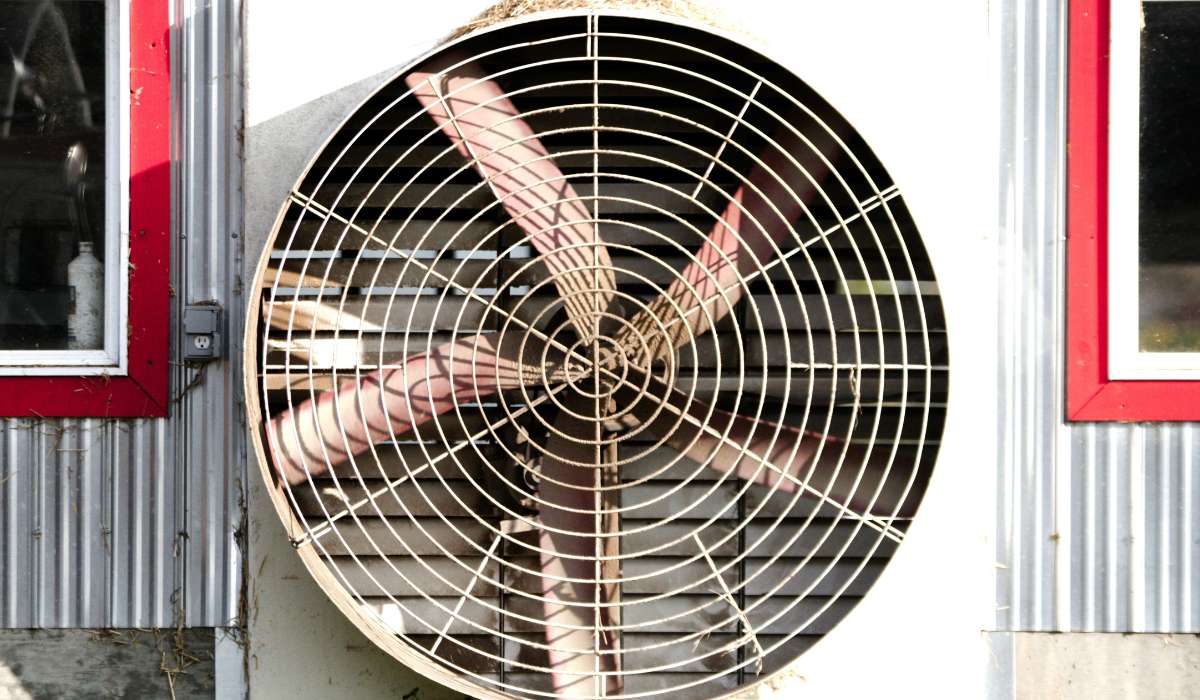
Maintaining proper air circulation in your home is crucial in ensuring a comfortable living environment. Moreover, it also helps maintain optimal energy efficiency by regulating indoor temperature and reducing the need for additional modes of heating and cooling. While you can rely on the age-old methods like keeping doors and windows open to facilitate cross ventilation, if you are looking for something more effective, you are at the right place. In this article, we will familiarise you with some steps you can take to improve air circulation in your home.
See also: Your guide to proper house ventilation: Breathe easy in a healthy home
Importance of proper indoor air circulation
So why is air circulation so important for your home? Let’s have a look at some key benefits:
Improved indoor air quality
Continuous movement of air prevents buildup of pollutants such as dust, allergens and volatile organic compounds (VOCs) in the indoor environment. This is particularly beneficial for individuals with respiratory conditions who might find stagnant air to be detrimental to their well-being.
Temperature regulation
Uniform circulation of air ensures even distribution of heated or cooled air, thereby maintaining consistency in room temperature. Alongside enhancing comfort, this also helps reduce energy consumption by optimising the efficiency of your heating and cooling systems.
Moisture control
Less moisture buildup, facilitated by constantly moving air, can considerably control the humidity levels in your indoor environment. This, in turn, prevents mould and mildew growth that might adversely affect the air quality and structural integrity of your home.
Odour management
Removal of stagnant indoor odours can help promote a fresher and more pleasant indoor environment. This becomes especially important in areas prone to moisture buildup, such as kitchens, bathrooms and laundry rooms, where odours tend to linger due the absence of proper circulation mechanisms.
Prevention of condensation
Condensation is a major cause of water damage, mould growth and deterioration of building materials over time. Adequate air circulation can prevent this by keeping condensation on windows, walls and other surfaces at bay.
Reduction of allergens and irritants
Moving air facilitates the dispersion of allergens such as pet dander and pollen and reduces their concentration in indoor spaces. For individuals suffering from allergies or sensitivities to airborne particles, this can prove to be especially beneficial.
Energy efficiency
By ensuring free circulation of air, you can reduce the workload on your heating and cooling equipment. This contributes to the overall efficiency of your HVAC system, leading to lower energy bills and extended system longevity.
Comfort and well-being
By maintaining consistent temperatures and reducing stuffiness, good air circulation creates a more comfortable living environment. Moreover, it adds to the sense of freshness and cleanliness that positively impacts your overall well-being and quality of life at home.
Tips to improve air circulation at home
If you feel that general steps to facilitate air circulation are not enough for your space, take your home improvement game a notch higher with these specialised tips:
Airflow pathways
Keep your furniture arrangement such that it allows air to flow freely around the room. Avoid placing large pieces of furniture directly in front of vents, radiators or baseboard heaters, as thi can block airflow and hinder circulation. Clutter and obstructions could potentially disrupt the airflow and are best kept at bay. This includes steps like keeping curtains or drapes away from the vents and ensuring that air can move easily through different parts of the house.
Door undercutters and transfer grilles
Door undercutters are strips that can be installed at the bottom of doors to create a small gap that allows air to flow underneath even when the door is shut. Similarly, transfer grilles are small vents installed in walls and doors near the floor level to facilitate airflow between rooms. These are particularly helpful in balancing pressure and temperature throughout the space even when the doors are kept closed.
High and low vents
The phenomenon of natural convection makes hot air naturally rise and cooler air sink. Opening high and low vents or windows simultaneously can create a natural convection current. This allows warm air to escape from the high vents while cooler air can enter from the lower ones, thereby ensuring effective air circulation within the space.
Draft stopper
Also known as door snakes or draft blockers, draft stoppers are long and narrow pillows or tubes placed along the bottom of doors to prevent cold air from entering and warm air from escaping. This is especially useful in cold regions as it helps maintain controlled airflow and improves energy efficiency by reducing drafts.
Whole-house fan
A whole-house fan is installed in the ceiling of a central location of the house, such as a hallway. By pulling air through open windows and exhausting it through the attic, it creates a powerful ventilation effect that exchanges stale indoor air with fresh outdoor one. These devices are most effective during cooler times of the day when outdoor temperatures are lower than indoors. By providing rapid circulation, they can significantly reduce indoor temperatures and humidity levels.
Air deflectors
By attaching air deflectors to vents, you can direct the airflow in particular directions, such as upwards or away from obstacles like furniture or curtains. This ensures the most efficient circulation of air unhindered by obstacles or inefficient redirection.
Balanced HVAC registers
HVAC vents should be balanced in a way that ensures even airflow throughout the space. Consider adjusting the dampers within ducts or using register covers that give you the ability of controlling the amount of airflow in each room. This step is crucial in ensuring consistent comfort levels throughout your home by preventing some rooms from receiving too much airflow and others too little.
Duct booster fan
Designed to be installed within the ductwork of your HVAC system, these fans are meant to increase airflow to specific areas or rooms for which the central system might not be enough and which might require additional sources of airflow. They are particularly useful in rooms located farthest from the main HVAC unit accessed by long ducts with multiple bends.
Attic and crawl space ventilation
Attics and crawl spaces are especially prone to moisture buildup, leading to mould growth and poor indoor air quality. Therefore, adequate ventilation for these spaces becomes more important than ever. By allowing the moisture-laden air to escape and fresh air to enter, you maintain a dry and healthy environment throughout your home.
Destratification fan
These ceiling-mounted fans specifically designed to circulate air in rooms with high ceilings work by gently pushing warm air accumulated near the ceiling downwards to the floor, thereby creating a more even distribution of temperature throughout the room. By reducing temperature stratification caused by natural convection, it significantly improves overall comfort levels in large open spaces.
FAQs
How can I improve air circulation without using a fan or opening windows?
Strategic placement of furniture, use of undercutters or transfer grilles, ensuring unobstructed vents and using sir deflectors can help ensure better air circulation.
How do ceiling fans help facilitate air circulation?
The gentle breeze created by ceiling fans distributes air throughout the space. Make sure to rotate it counterclockwise in summers and clockwise in winters for best results.
What can I do for better air circulation in the kitchen and bathroom?
Use exhaust fans vented outdoors to remove moisture, odour and pollutants and open windows while cooking and after showering to let in fresh air.
How do I know if my HVAC vents are balanced?
Feel the airflow in each room. If some rooms feel warmer or cooler than others, you might have to make some adjustments to ensure more even airflow throughout the space.
What is the benefit of air deflectors in air circulation?
Air deflectors direct the airflow from vents away from obstacles so that it can flow freely without hindrances or inefficient redirection.
How can I ensure proper air circulation in rooms with high ceilings?
Use destratification fans in rooms with high ceilings to circulate air in a downward direction and improve temperature stratification.
Is it possible to maintain good air circulation while ensuring energy efficiency?
Using a whole-house fan and ensuring properly maintained HVAC systems can help in both optimising airflow and ensuring energy efficiency.
| Got any questions or point of view on our article? We would love to hear from you. Write to our Editor-in-Chief Jhumur Ghosh at jhumur.ghosh1@housing.com |