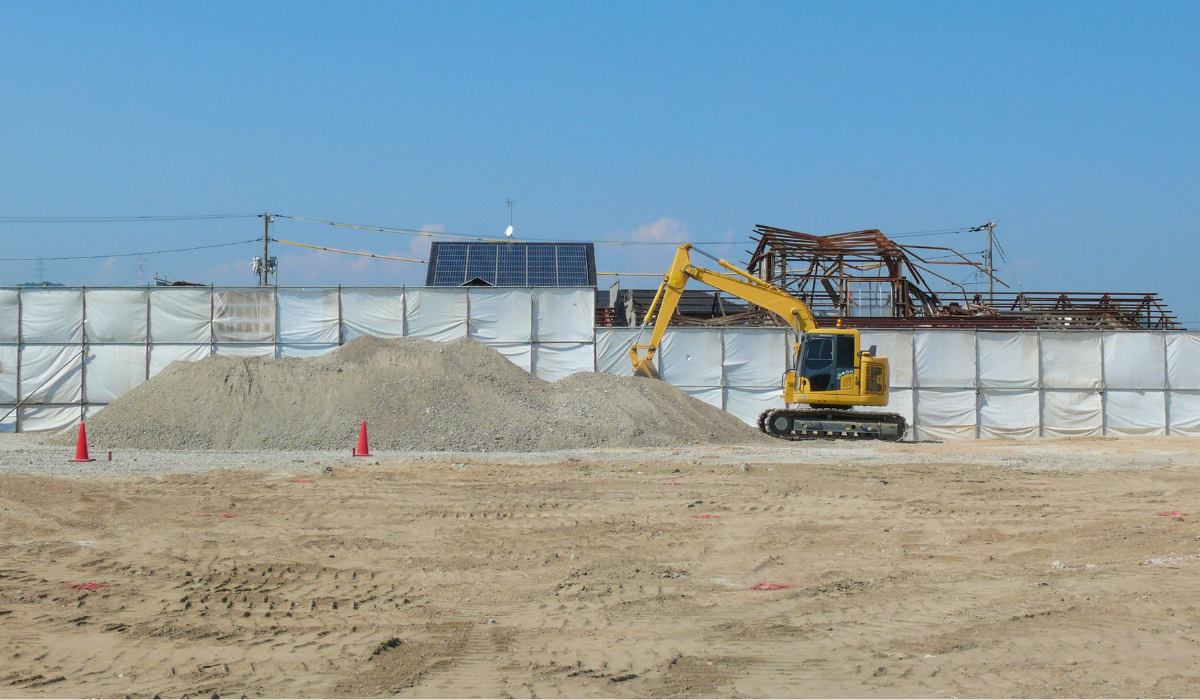
Redevelopment projects contribute significantly to Mumbai’s real estate market, shaping the city’s landscape. With limited land available for new developments and geographical constraints in this coastal city, there is less scope for horizontal growth. Moreover, Mumbai has numerous old buildings, constructed decades ago, which necessitate the need for redevelopment. Besides homeowners in Mumbai who opt to rebuild their old independent houses, several housing societies go for planned redevelopments to increase the usable space and upgrade the existing infrastructure. Before constructing or reconstructing a property in Mumbai, it is crucial to comply with redevelopment regulations and seek approvals to avoid risks like demolition notices or penalties. Here’s a guide on constructing or reconstructing a property in Mumbai.
Who can undertake contruction or reconstruction of buildings in Mumbai?
Government and public authorities
Real estate development activities in Mumbai are regulated and undertaken within a stringent framework of rules and regulations. Public infrastructure and some low-income housing projects come under the purview of governmental agencies. The Maharashtra Housing and Area Development Authority (MHADA) is responsible for constructing affordable housing, redeveloping dilapidated buildings, and taking slum rehabilitation works in the city.
The following authorities are involved in construction and reconstruction projects, depending on the type of project and its location.
- Brihanmumbai Municipal Corporation (BMC) – for granting building plan approvals, construction permissions and utility connections within the city limits
- Maharashtra Housing and Area Development Authority (MHADA) – for developing (e.g. housing schemes) and redeveloping projects.
- Mumbai Metropolitan Region Development Authority (MMRDA) – for regulating projects in certain planning zones
- Maharashtra Coastal Zone Management Authority (MCZMA) – for projects situated in Coastal Regulation Zone (CRZ) areas
- MahaRERA – for providing a regulatory framework for real estate developments in the city
- Maharashtra Pollution Control Board (MPCB) – for environmental-related clearances
- Mumbai Fire Brigade – for fire safety approvals in high-rise structures
Developers and builders
Private property developers may also take up redevelopment projects after entering into a redevelopment agreement with the property owners or housing societies, including co-operative housing societies. The agreement typically includes terms related to construction timelines, compensation, etc.
Cooperative housing societies
Cooperative housing societies can legally undertake self-development rather than approaching a developer. However, the society can hire a developer to carry out the project. For this, they need to seek necessary approvals and comply with the Development Control and Promotion Regulations (DCPR) 2034. The redevelopment is undertaken collectively by the cooperative housing society after a resolution is passed by the members.
Individual property owners
Owners of private properties such as independent houses, bungalows or plots can also construct or reconstruct their property. However, they must get the approvals from the local authority, like the Brihanmumbai Municipal Corporation (BMC) and other relevant authorities before initiating the project.
Approvals required before construction or reconstruction in Mumbai
Before starting any development or redevelopment project in Mumbai, it is necessary to seek various approvals from the relevant authorities.
Land use and zoning regulation compliance
Before starting any construction project, one has to verify the land classification and zoning regulations applicable to the property. The project has to comply with Mumbai’s Development Control and Promotion Regulations (DCPR) and land-use norms. Zonal clearance means that the building one plans to develop is allowed in the area (commercial, residential or mixed-use). If the areas come under Coastal Regulation Zone (CRZ) restrictions or reserved planning zones, relevant approvals may be required.
Layout and redevelopment approvals
Layout approval is mandatory if it is a large-scale redevelopment or reconstruction project to ensure it complies with the city’s master plan. For redevelopment of housing societies or old buildings, approvals related to rehabilitation layouts, additional FSI, and redevelopment incentives may be needed.
No-objection certificates (NOCs)
A construction project may need various NOCs, depending on the location and construction type. These include:
- Environmental clearance for large projects
- Approval from the fire department for high-rise structures
- Water and sewerage permissions
- Airport Authority approval in certain zones
- CRZ clearance for coastal properties
- NOC from the housing society in redevelopment cases
Building Plan Approval
The proposed building plan for the project, generally designed by an architect, requires approval from the local municipal authority. The MCGM AutoDCR portal has simplified the process of submitting building plans online through a Single Window Clearance System. After an architect applies for the approval, authorities inspect the plan to see if it complies with building codes, safety rules and other norms. Then, an Intimation of Disapproval (IOD) is issued.
RERA approval
Registration under the Maharashtra Real Estate Regulatory Authority (MahaRERA) will be necessary for residential projects if the area exceeds 500 square metres or if there are more than eight apartments. The developer can go to the official website of MahaRERA and complete the registration process.
Commencement Certificate (CC)
The developer of the project must get the Commencement Certificate (CC) from the local municipal authority or town planning department. The structural and foundation work in the project should be initiated only after the CC has been received.
Completion Certificate and Occupancy Certificate
After the project is completed, the completion certificate (CC) and occupancy certificate (OC) are two most important approvals one has to obtain. The completion certificate certifies that the construction was carried out as per the sanctioned plans whereas the OC certifies that the building is fit for occupancy and complies with the local regulations.
FAR or FSI and building norms
FAR (Floor Area Ratio) or Floor Space Index (FSI) is a numerical figure, allotted by the state government, that defines how much built-up area is allowed on a plot relative to the land area. Larger buildings on the same plot have higher FSI. The government also provides additional FSI incentives for some redevelopment projects, like slum redevelopment and cluster redevelopment in Mumbai. Further, Fungible FSI is an extra, compensatory area that local authorities provide, which lets developers build above the maximum permissible limit. It involves the payment of a premium. So, one has to have clarity on the permissible FSI before starting a reconstruction project.
Costs involved in construction or reconstruction
Setting a budget is important before taking up a construction project. Various expenses need to be considered, such as:
- Professional fee (architect and consultant)
- Costs of labour and materials
- Utility connection charges
- Premium FSI charges
- Municipal approval fees
- GST and other taxes
- Legal costs (stamp duty and registration fee)
- Rent or accommodation expenses during redevelopment
Housing.com POV
Planning a construction or redevelopment project in Mumbai is a complex and legal process, involving aspects such as budget, legal due diligence, and compliance with municipal regulations. If you are a property owner and want to redevelop your house or housing society, make sure to get all the information about approvals, redevelopment regulations, FSI rules, authorities granting approvals and professionals one should contact (architects, structural engineers, contractors, lawyers, etc.). One can consult a legal professional to get clarity on local regulations and other legal requirements.
FAQs
What approvals are needed for reconstructing a property in Mumbai?
Various approvals, such as building plan sanction, approvals from different government departments like fire, environment, etc., CRZ clearance (if applicable) and Commencement Certificate (CC), are necessary to start any redevelopment project in Mumbai.
Which authority’s approval is required to start the reconstruction of a house in Mumbai?
Approval from the Brihanmumbai Municipal Corporation (BMC) and other relevant authorities will be required, depending on the property location and construction project.


Comments 0